Transportation Business Resources

Protecting your cargo and your transportation business is our business. Travelers is dedicated to helping freight brokers, fleet operators and logistics firms reduce preventable losses and costs through our products, vendor alliances and claim processing. We use our transportation experience and science to assist companies with security best practices, proper securement techniques for loading and handling, theft prevention and road safety issues.
Travelers on Freightwaves Podcast
Freightwaves is the leading provider of trucking news, media and analytics for truckers, intermodal and logistic operators. Travelers has recently contributed to the Freightwaves “What the Truck” Podcast series to share insights on topics ranging from choosing the right insurance carrier to commonly overlooked coverages to trends in cargo theft. Give each a listen.
Podcast #57: Straight Theft
Cargo theft has surged by 93%—with strategic theft jumping nearly 1,500%. Scott Cornell, VP of Transportation at Travelers, joins the show to reveal what's driving these trends, which regions are most at risk, and how layered security strategies can protect freight. Learn how to outsmart today’s most sophisticated cargo thieves.
Aired: 7/28/2025
Paid Content
(DESCRIPTION)
Logos for Sirius XM, You Tube, LinkedIn®, Facebook, Apple Podcast, Spotify, TikTok and X appear along the top edge of a newscast. On the right, the lineup for today's show includes headlines titled Descartes Purchase, Scott Cornell, Cargo Theft Update, Dennis Collins from Maxim Crane Works, and Aurora plus Thomas equals Lo-Fi Beats. Logo: Verizon Business.
(SPEECH)
SPEAKER: OK, well, let's dive into the real meat and potatoes here. We're going to be talking about switching gears, of course, cargo theft.
(DESCRIPTION)
The host stands at a desk with a laptop set before him. Additional headlines scroll across the bottom of the screen.
(SPEECH)
And the folks at Travelers were so thankful enough to come join us and talk about it. So let's welcome on our guest here. We'll be welcoming Scott Cornell, VP of Transportation at Travelers. Scott is a longtime guest for What the Truck?!? And Scott, it's an absolute pleasure to have you back on.
(DESCRIPTION)
Scott appears in split screen with the host.
(SPEECH)
SCOTT CORNELL: Good morning. Thanks for having me.
SPEAKER: And so let's dive into this because it's very, very exciting. But cargo theft has really become a hot topic for those of us in the industry. And so looking at some data between 2022 and 2024, cargo theft is up over 93%. But this is where it gets interesting. One type of theft has skyrocketed even more. That is strategic theft. So we had you back on earlier in May to talk about it. But let's dive back into it because it looks like things are getting pretty real out there.
(DESCRIPTION)
Text: Scott Cornell, Vice President of Transportation, Travelers.
(SPEECH)
SCOTT CORNELL: The cargo net data shows us, as you mentioned, that cargo theft as a whole in that time period is up over 90%, I think it's about 93% dead-on. But strategic theft in particular, which is the most difficult, the most complex type of cargo theft for the industry to deal with, is up 1,475%, something like that. So almost 1,500%.
So strategic theft is when there's trickery involved, deception. They're not physically there. They're usually doing it remote. They're doing it virtually. And that's really hit the industry pretty hard. But I think what's happening is a lot of people are seeing that big increase in strategic theft, and they're forgetting about straight theft.
SPEAKER: And let's talk about the difference between strategic and straight theft. I am more familiar with straight theft from my trucking days, where you use bolt cutters, break a seal, like a dine and dash where you're getting in there and getting out real quick. So let's talk a little bit more about the straight thrift part now. Run us through some of the scenarios.
SCOTT CORNELL: So straight theft, I've said it on this show many times, cargo at rest is cargo at risk. It really speaks to when the freight is sitting, still tends to be truck stops, drop lots, parking lots, you name it, pilferage is a big part of that.
So when you ask about the difference between the two, again, strategic theft tends to be done virtually remotely, phones, emails, email phishing, social engineering emails, any trickery that can get the freight in their hands.
Straight theft is labeled straight theft because it's pretty straightforward. They're physically -- they're stealing it. They're at the location stealing it. Pilferage is a prime example of that. I always say pilferage is the iceberg below the water when it comes to cargo theft because it's the least reported, but it's one of the most frequent if not the most frequent method. And it's just like you said, they're cutting the bolt seals, they're breaking into the rear of the trailer.
And in a lot of cases, if we stick with pilferage as an example, they're taking a few boxes, they're taking a pallet, they're taking two pallets, things like that. So they're not taking the tractor and the trailer. We still see plenty of that across the country. The industry sees plenty of that across the country where they take the entire tractor and trailer. But pilferage, in particular, they're just getting into the trailer and taking part of the load.
SPEAKER: And looking at the location because it looks like from my days doing HVP freight, there were certain clusters and areas that were considered no-no zones in terms of making sure you have to go within a 200-mile radius, don't stop because of these threats. Let's talk about here in terms of straight theft, are there any specific areas that folks should become aware of as we're getting this massive increase in data since 2022?
SCOTT CORNELL: Yeah, so straight theft, when we talked about the increase in strategic theft, so that's gone from about 5% to maybe 33% of all cargo theft. But the theft still represents about 67% of all straight theft. And where we've really seen some of those hot spots, there's the traditional ones, Southern California, Houston, Dallas, Florida, all the places that are either around ports, Chicago, Memphis or what we would consider inland ports because of the massive rail yards.
But in particular, if we want to use a good example, the Arizona border of California has really become a hot spot for pilferage and follow crews over the past, let's say, three or four years. In particular, one of the reasons is drivers coming out of California, whether it's with food and beverage or high-end electronics, are trying to make it across that Arizona border and into Arizona because fuel is so much cheaper.
So they wait until they get to Arizona for that first stop. And a lot of those follow crews know that and they'll either follow them there or they'll actually put parts of their crew there waiting for those trucks to arrive. And they'll communicate ahead that, hey, this truck left this warehouse, this distribution center, things like that. And those trucks will get targeted.
SPEAKER: So it's like targeting the watering hole almost, where you've got a situation where these drivers--
SCOTT CORNELL: Secret analogy.
SPEAKER: It's predatory. It's predatory. So let's talk about what happens with that. How do you stop it? Don't they have surveillance cameras or something?
(DESCRIPTION)
The host grins.
(SPEECH)
SCOTT CORNELL: Well, the old camera question. So 30 years of doing this roughly. And I can tell you that, first of all, cameras, for the most part, don't stop crime, this type of crime, let's stick with cargo theft. For the most part, cameras don't really stop cargo crime. A lot of the cargo crews know that there's cameras around, things like that. In fact, a lot of truck stops may not even have cameras. That's not a criticism. They just may not.
And a lot of the drivers, if the parking is full, you're not necessarily parked in the truck stop anyway. You're outside the truck stop. There's actually more incidents of cases where the in-dash cameras, the outward-facing cameras from another truck catch the theft in progress. Then there is a stationary camera, things like that. So we've seen investigators pull that type of video.
But we call those popcorn reels, get ready to watch the stuff get stolen. It's not really going to lead -- sometimes they will put a fake license plate on the outside of the license plate.
The vans that they use for these or the box truck they use for these are pretty plain. They're just white trucks, white vans, white box trucks or just one solid color. There's not a lot of identifying marks on them. So if you're not picking any of that up from the video cameras, you're probably not going to get anywhere with that video.
SPEAKER: So let's talk a little bit about preventative steps then, because it definitely feels, given the situation and the stuff's being stolen from right under their noses, how do we work on preventing it? So when we're talking about that, what should companies and drivers be doing right now? And then we'll dive into some extra layers.
SCOTT CORNELL: So we work with our clients on a layered basis when we teach them prevention. And there's three layers that we really work on. That first layer is good process and procedures.
And a big part of that is educating your drivers. We've always said, I've said it very openly, I think the drivers are your best first line of defense. An educated driver, a driver who is made aware of, hey, you're hauling high-end electronics out of Southern California, and that hot spot right there at that Arizona border, that's a really bad spot. Can you go a little bit further? Or could you stop ahead of time?
Can you give them some fuel incentives that would make them able to maybe go just a little bit further and a little bit shorter? But even just making them aware, even if they have to stop there, making them aware, hey, this is a real hot spot. Here's what's been going on there. And you're hauling that type of freight. That's a big deal.
And drivers will tend to look for opportunities. Maybe they can back the trailer up against something so that the doors can't be opened. Or they'll just be more aware on it. If you can't do that, you can get into high-security rear-door locks. And can they cut through these things? Sure, but you're trying to make life difficult for them.
And a lot of times I'll suggest to my clients, take those high-security rear-door locks, put them on at the loading dock so you're putting them way up high. So now you're just making life difficult for the bad guys.
And then that hard-locking, those hard-locking devices, air cuff locks, landing gear locks, high-security rear-door locks, that's the second layer. That's the second part of that three-layered process. And then technology comes into play later on, so --
SPEAKER: I like the layered --
SCOTT CORNELL: For tracking, thinks like that.
SPEAKER: -- with the locks. Because that was a crazy thing that blew my mind, was that a lot of these things are plastic seals. And you have the door closed and you wrap a little seal around it. And for the longest time before fraudsters caught note, that's how we hauled things.
And so even though a lot of these locks are not impervious, you brought up such a great point, make it so difficult that they have to make noise and they have to work for it. And then hopefully that brings the attention and the alarm so then you can be like, hey, get away from my truck.
SCOTT CORNELL: Exactly right. And you're just trying to make life very difficult for them. Be a harder target. You don't want to be a soft target. And I'm asked sometimes, don't the drivers hear this? Don't the drivers know that somebody is at the back of the trailer trying to break into the trailer? No, these drivers have become accustomed to sleeping with the truck running. You have the noise of the truck. You have the noise of the truck stuff. They're very accustomed to this.
And when they're cutting the bolt seals and getting into the door, it's not like they're really rocking the truck, so to speak, or rocking the trailer. Have there been incidents of drivers finding it or realizing that it's going on? Sure, but I don't think people realize how accustomed a lot of the drivers have become to sleeping with all that noise, sleeping with all that movement. Trucks driving by and shaking their truck and their trailer.
This is their life day in and day out. So they become very accustomed to that. And when you talk about the seals, seal locks are very important. So you can secure those rear doors. But if you're hauling something that's perishable or temp-controlled or something like that, you need to protect the seal too. So seal locks are important as well.
SPEAKER: That's one of the things that really operationally brings up is making sure that drivers are putting seal numbers, bill of lading numbers in their checking. Because I can imagine a situation where for some of these drivers, alluding to your first point, which is education, as we're doing this multilayered approach, go outside and check the seal. Because if I'm a fraudster and I know you just have a plastic seal, I can buy them at the truck stop.
So what would stop me from stealing your stuff and then resealing it with a different number? And then Thomas is just busy. He's in a hurry. He does a quick pre-trip. He's like, it's a seal. And then nobody finds out until hundreds of miles later.
SCOTT CORNELL: You make a great point. They've gotten very good at doing that right. They understand that the driver may be well aware that they have a yellow seal on the back. So when they cut that seal, they put the seal in their pocket. They don't throw it on the ground. A lot of the old crews, the old-time crews, they used to just cut that seal, throw it on the ground. And the driver would see it and report it.
But they cut that seal, they put it in their pocket. They take what they're going to take. And then they put another yellow seal on there. So the driver comes out, sees the yellow seal. Everything's fine. They make their run. They get to the state, they get five, six states away to make the delivery. And the rear doors are open. And all of a sudden everybody realizes there's two pallets gone.
Well, the problem is, where do you report that? You're not even sure where it happened. So now who do you report that to? How do you report that? Who's going to take a report on that? Do you even have any idea where it could have happened? It really confuses things. It really makes for a more difficult situation.
SPEAKER: I wanted to ask about the reporting one. Then I wanted to get a forward-looking idea with technology. When that happens, it's been explained to me, and trucking associations have told me once cargo theft occurs, it becomes so difficult because there's so many different agencies. My truck may be in another state. And then sometimes the agencies say, well, we don't want to handle it, it's a civil matter.
Is that one of the other layers when we're talking about it as having a system in place that if the event does happen, we at least know in each area who we really need to contact because I hear that that's a huge roadblock as everyone throws their hands up in the air and they say ask Homeland Security or something?
SCOTT CORNELL: So reporting generally. So let's go back, we'll talk quickly about strategic theft. Strategic theft, you're going to want to report it to the law enforcement agency where the load was taken control of. So if they use identity theft or fictitious pickup or double brokering scam or something like that, the location where the freight was taken control of by that group that sent somebody to pick it up for you, that's where you're going to want to report it.
With pilferage, we're talking about pilferage here, that's very difficult. If you left California and you're headed to Texas and you stopped five, six, seven times along the way and you can't tell law enforcement exactly where it happened, it's not likely that law enforcement is going to give you a report without you being able to give them specifics, and for sure knowing that it happened in their jurisdiction.
And you can't fault them for that because that's time, man-hours, things like that that would come with taking in that report, trying to investigate something. The other difficulty is what if it's perishable goods? So if you have two pallets of frozen meat stolen, even if it's recovered, what's going to happen to it? So you get into all difficulties around reporting.
Now if you do know where it took place, local law enforcement is going to take that report for you. What you need to be aware of is let's say, California as an example, local law enforcement takes the report for you. You also need to be aware that C-TIPs, the California Highway Patrol, has a cargo theft task force.
So once you get that local report from that local police department, you want to get that police report up to that task force because that task force is going to take over that cargo investigation. And that happens in several of the states like Florida. Memphis area has a task force. Different parts of the country where they have those task forces, you're going to want to make sure that your local police report gets up to those task forces.
SPEAKER: I really like that. That's some really helpful info for me as well. Strategic theft, call the law enforcement when it happens. Say it picks up in Nashville, report it in Nashville. But when it happens like pilferage where you could have went from Nashville to California and let's say Arizona, then we got to call Arizona. But we need to provide the details and then you see if the agency has something else. So it's a two-pronged approach.
Final thoughts. With technology and hardware, I talked to telematics providers. We have tons of front-facing cameras and you mentioned them earlier in the interview. Are you recommending yet or is the technology there yet to have inside the trailer cameras? So then at least I can see if it's been opened and closing. Has that been something folks are using to fight fraud? Or are we still in the early stages to where we're working out the kinks, and then eventually it may be a viable toolkit in a fraud-fighting toolbox?
SCOTT CORNELL: I think the industry as a whole is making some pretty good advancements on the technology part. Now cameras inside the trailer, they are available. That technology's been around for a while. Actually Travelers has a sting trailer that we use that we loan out to law enforcement across the country that for years has had cameras that face out from the trailer and down to see who's opening the door and things like that.
So that technology's been around. We're starting to see some carriers out there and freight brokers that specialize in the secure movement of freight because they're responding to these big increases in cargo theft. So we're seeing some trailers purposely modified for that because of exactly what you're saying, wanting to prevent that type of theft or at least be able to document it.
But there's also other technology out there. There's Bluetooth locks that will lock the door from the inside, that make it much harder for the bad guys to cut any kind of a lock because there's no external lock. It's inside the trailer doors. We're seeing there are some companies out there that have designed trailers, the rear doors are almost like safes. They have steel rods that go across so you can't get into the back of it. Tracking has come a long way.
The thing about tracking, the bad guys are very aware of tracking. So a lot of times they'll thwart the tracking. They'll fool the tracking. They have a device that's called a sniffer that will tell them if there's tracking in the load sometimes. So you really have to use a lot of redundancy when it comes to tracking. Meaning you want there to be tracking in the cargo. Ultimately, you're trying to get the cargo back.
Tracking in the trailer is great. But if I find you your empty trailer, are you going to be happy or do you need the $500,000 of electronics that was in it? So tracking both in the trailer and in the cargo itself is really good.
So there's a lot of advances out there in technology. People should really take an eye. We have an innovation page at Travelers Transportation Innovation page, where we bring a lot of these vendors to our clients that they can go on and click. And that's open to the public. People can go to that page and take a look at some of that as well.
SPEAKER: Well, Scott, thank you so much for hopping on the show again. This was some amazing info. In addition to the innovation stuff that you all have for folks to check out, if folks want to learn more about Travelers as well, what's the best way to get more information?
SCOTT CORNELL: travelers dot com slash transportation.
SPEAKER: Perfect. Thank you so much, Scott. We'll definitely catch up again soon.
(DESCRIPTION)
The host smiles at Scott, who waves.
(SPEECH)
SCOTT CORNELL: Thanks for having me.
Podcast #56: Driver Shortage and Industry Workforce Trends
Driver shortage or shortage of good drivers? In this episode of What the Truck?!? Travelers’ Regional Underwriting Officer, Mark Borchert, joins the podcast to break down workforce trends, driver retention and the evolving freight economy. From pandemic booms to tariff tension, discover how small fleets are navigating survival and what matters most to drivers today. Watch now and stay ahead of the trucking curve!
Aired: 6/23/2025
Paid Content
(DESCRIPTION)
On the left, the speaker sits at a desk filled with What the Truck merchandise, a laptop and a microphone. Across the top left are logos for Sirius XM, YouTube, LinkedIn, Facebook, radio broadcasts, Spotify, TikTok and X. On the bottom left is the logo: What the Truck?!? On the bottom right is the logo: Chevron, and a QR code. On the top right is a list titled Today's Show. Are Diesel Prices Going Nuclear? Travelers. Workforce Trends. O.E.C. Group. Electric Vehicle Ship Fires. Are Diesel Prices Going Nuclear is highlighted in yellow. Along the very bottom of the screen is a headline scroller.
(SPEECH)
TIM DOONER: Amazing time. All right, who we got now? We got Travelers on here. We got Mark Borchert. Mark, how are you doing, sir?
(DESCRIPTION)
“What the Truck ?!?” logo appears on a tractor trailer. The left side changes to a split screen with the host and Mark. Thereafter, the screen changes to feature each speaker alone as they speak.
(SPEECH)
MARK BORCHERT: Hey, Dooner. It's great to be here. Thanks for having me.
TIM DOONER: I'm relieved, man. Over the weekend, a lot of people – a lot of drivers, I know, were freaking out. They were very afraid that what was going to happen with fuel prices.
(DESCRIPTION)
The list on the right flashes and the item Travelers is highlighted.
(SPEECH)
So I'm glad John has gotten us a little bit measured. And now, we can move on to another topic over here. I think we're talking a little bit about workforce.
(DESCRIPTION)
Scrolling headline text: Senate bill demands English tests for truckers – New legislation in the Senate further tightens recent federal English proficiency mandates for truckers by requiring drivers to test their reading and speaking skills before being issued a CDL.
(SPEECH)
And I don't know how often you've caught this show, but I always – we have done a lot to debunk the driver shortage narrative, especially during when the market was very, very low for the past couple of years. However, that's my perspective. And a lot of times, I have the driver's perspective. We all have our own biases, and you get the underwriter's perspective. What are you seeing with workforce?
(DESCRIPTION)
Text: Mark Borchert. Underwriting Officer, Inland Marine, Travelers.
(SPEECH)
MARK BORCHERT: Yeah, I would say that we completely agree with you, Dooner, that we're not necessarily talking about a driver shortage, so much as we're talking about a shortage of good drivers.
(DESCRIPTION)
The list on the right flashes and the term Workforce Trends is highlighted. Scrolling headline text: Kodiak selects Roush as manufacturing partner for autonomous truck upfitting – Kodiak Robotics announced on Thursday it has selected Roush Industries as its manufacturing partner to scale the upfitting of trucks equipped with the Kodiak Driver autonomous system.
(SPEECH)
And that starts to suggest a problem with driver retention that I can get a little more into.
TIM DOONER: Yeah, that's a really good distinction to make as well. Thanks for breaking that down for us. And that came up a lot when we're talking about enforcing new regulations. So keep going on your point here. I like what you're dropping.
(DESCRIPTION)
Text: Mark Borchert. Underwriting Officer, Inland Marine, Travelers.
(SPEECH)
MARK BORCHERT: Yeah, I mean, so to get a better understanding of what's happening, we kinda have to take a step back and look backwards. So leading up to COVID, as far back as 2017, driver shortage was always a top industry issue.
(DESCRIPTION)
Scrolling headline Ttext: 5 million dollar settlement in Illinois fatal crash exposes risks of commercial trucking – The attorneys for the family of a woman killed in a wreck with a tractor-trailer hope their case highlights how quickly bad things can happen on the roadway.
(SPEECH)
Whenever you polled the trucking companies, it was always popping up 1, 2 or 3, as one of their main issues.
And then, of course, during COVID, you had that high demand for goods, as the economy moved away from services, right, and those spot rates spiked. That caused the truck drivers, and especially owner operator fleets, small fleet operators, they experience a dramatic shift in the income of their operations.
(DESCRIPTION)
Scrolling headline text: DHL Express Canada seeks exemption on use of replacement workers – DHL Express has asked Canada's government to exempt it from new legislation banning federally regulated employers from hiring replacement workers during strikes or lockouts, saying a cessation of parcel delivery operations would significantly harm businesses and communities at a time of high economic uncertainty.
(SPEECH)
So these independent drivers, these small carriers, they're capitalizing on those high spot rates for the time. Some of them even left their company driving jobs, became owner operators, started their own small fleets, riding that wave of profitability.
You know, this resulted in a massive oversupply of drivers, and more specifically, those smaller independent trucking companies, especially once after COVID, we had that supply chain disruption eased, and the consumer demand shifted back from goods to services.
Well, what did we see then? Spot rates then plummeted. Makes sense. There's less freight moving around.
(DESCRIPTION)
Scrolling headline text: Securing the voice layer: WireBee's fight against freight fraud – In an industry where phone calls remain the dominant channel for booking freight, WireBee has emerged as a pioneer in protecting brokers from increasingly sophisticated fraud attempts.
(SPEECH)
Now, that brings us to right now. Those spot rates have now been at a consistently low level for the past 18 months or so. So in 2023, now, we see there's more companies going out of business in the trucking industry than coming into business. Right?
The majority of those truckload carriers are experiencing 50% plus turnover in 2023, and that's because, you know, compensation and benefits are down, because of those spot rates going down.
(DESCRIPTION)
Scrolling headline text: When to Outsource Tasks and How to Train a Virtual Assistant – If you're a small fleet owner wearing ten hats, let me hit you with something hard: just because you *can* do everything, doesn't mean you should. That mentality will trap you in one truck.
(SPEECH)
Ninety percent of trucking companies that were surveyed in 2024 consider driver retention to be a key focus. And that's even more true of those small owner operator fleets, and especially those that started up within the last five years, riding that COVID boom.
Those small trucking companies, they're just trying to survive, right? So unfortunately, the ATA says that the spot rate environment is probably not going to get better until a lot of these smaller trucking companies go out of business, retire. And those drivers, you know some of those drivers return to those larger national carriers.
(DESCRIPTION)
Scrolling headline text: Canada Post, rural postmasters agree to new contract – Canada Post said Thursday afternoon that it has reached a collective bargaining agreement with its second largest union, the Canadian Postmasters and Assistants Association (C.P.A.A.), after 18 months of negotiations.
(SPEECH)
TIM DOONER: Yeah. Well, look, it sounds so simple sometimes, retention. I mean, we're in a business with near 100% turnover every single year. What's going on with retention? How are they focusing on keeping those actual good drivers?
MARK BORCHERT: Yeah, I mentioned the compensation, right? In that 90% of trucking companies, they're saying that that's a key thing is driver retention and compensation.
(DESCRIPTION)
Scrolling headline text: Oil prices are higher out of the gate after Iran attack, but increase isn't gigantic – Oil markets opened higher Sunday evening U.S. time following the military strike on Iran by the Trump administration, but the size of the increase was considered somewhat underwhelming compared to the more apocalyptic predictions heard prior to the attack.
(SPEECH)
What's interesting is when you actually survey the truck drivers themselves, only 3% of the trucking respondents said that their own compensation was poor or very poor.
So that means that we might need to look into things outside of just straight salary. And maybe that means that we're talking more about the work-life balance, part of their compensation, things like PTO, bonus incentives and other perks that trucking companies might offer.
Those might end up being much more important than most realize, and improving work-life balance might be able to increase that driver retention at some of these companies.
(DESCRIPTION)
Scrolling headline text: Tanker rates surge, container lines monitor Mideast after US bombs Iran – Spot rates for the largest crude oil tankers from the Persian Gulf to China have surged 50% in the past week on heightened Middle East tensions, but major container lines continue sailings through the region despite threats by Iran to close the vital Strait of Hormuz.
(SPEECH)
Meanwhile, if you ask the trucking companies themselves, they really think that improving communication and feedback systems would have the biggest impact on driver turnover.
TIM DOONER: I would think so. But where do things stand now? Because one thing that's been on this show all year is – well, especially since liberation day – is every company is like confused on which direction to run and to build, and will there be more freight, or will tariffs hurt freight or anything? What's going on with the workforce over these past few months, since, I don't know, February or March.
MARK BORCHERT: Yeah, I mean, there's some good news, but it's tempered good news, I would say. So trucking jobs grew more in March of this year than they have in any other month since early 2022.
(DESCRIPTION)
Scrolling headline text: Borderlands Mexico: Supply chain firms invest in new cross-border facilities – With Mexico as the number 1 trade partner of the U.S., global logistics firms and businesses continue to invest in supply chain facilities to accelerate cross-border commerce.
(SPEECH)
And you're thinking 2022, that is the tail end of that COVID boom.
So it's surprising that in March of this year, that's the biggest jump. Whereas, this year, we're just hoping things don't go lower. Now, the context for that big increase in March is that the industry did shed jobs in January and February, right? So we had a big jump in March.
(DESCRIPTION)
Text: Mark Borchert. Underwriting Officer, Inland Marine, Travelers. Scrolling headline text: Fred Smith, FedEx founder and parcel industry pioneer, dies at 80 – Frederick W. Smith, who founded FedEx Express Corp. fifty-four years ago and revolutionized the parcel delivery business by using aircraft for overnight delivery, died Saturday, the company said on its website. He was 80.
(SPEECH)
It's really just putting us back to the employment levels we saw at the beginning of the year. I was talking about 2022. That was the peak, that tail end of the COVID boom. Trucking jobs, in July of '22, were at about 1.59 million.
Right now, we're at about 1.525, so almost the same level, 500,000, 600,000 jobs less, or 50 or 60,000 jobs less, excuse me.
(DESCRIPTION)
Scrolling headline text: Carrier revocations overachievement illustrates increasing market vulnerability – Carrier Net Revocations – which measure how many truckload operators (businesses) are exiting the industry – have remained unseasonably elevated throughout the first half of the year. The current pace of exits is 16% higher than during the same period in 2024.
(SPEECH)
And some of this is likely because we were attempting to move freight ahead of those potential tariffs that you talked about. So that's another impact of that large jump in March.
TIM DOONER: How do you see tariffs? How do you see – how do you see that? Because some drivers, too, they hear all this talk of terrorists, and then they go, well, that doesn't impact me. I just carry domestic freight around.
And it's like, no, a lot of that stuff – as you learn during COVID, a lot of that comes in through the ports, eventually goes into DCs, eventually ends up on your truck, moving somewhere. What kind of impacts are you seeing so far, especially in terms of workforce?
(DESCRIPTION)
Text: Mark Borchert. Underwriting Officer, Inland Marine, Travelers.
(SPEECH)
MARK BORCHERT: Yeah, I mean, right now, it's a bit murky. So up until this point, it's been more speculation than actual substance when it comes to tariffs.
(DESCRIPTION)
Scrolling headline text: SCOTUS decision on California Clean Cars waiver could have benefit to trucking later – The battle over California's ability to craft its own environmental regulations through the pathway of waivers from the Environmental Protection Agency was the background of an issue the Supreme Court ruled on Friday, but the high court's ruling was more procedural than substantive on regulatory lawmaking.
(SPEECH)
We've seen a bit of those abnormal freight patterns, just at times, trying to beat some of those tariff deadlines that had been set by the administration.
But for the most part, what we're seeing in the industry is, really, just typical seasonality. And so it's kind of been business as usual. It feels more like a waiting period. There's certainly vulnerabilities in the freight market. And those could change direction, depending on if demand severely contracts or even if growth – or even if demand grows, if tariffs are eased.
The real test will be if this uncertainty lasts past the peak season for freight. At that point, it's really anyone's guess as to which direction this might go.
(DESCRIPTION)
Scrolling headline text: When to Say No to a Load and Why It Matters – if you're still saying yes to every load just to, quote, keep the wheels turning, end quote, you're not running a business – you're gambling with your profit and praying it works out.
(SPEECH)
But right now, consumer spending remains steady, which means that we're just experiencing the usual seasonality.
TIM DOONER: Usual seasonality. Well, look, amazing stuff. It's so funny to correlate the actual tariff and the trucking market, just how some of this workforce stuff is developing. People want to read more about what you're doing. They want to continue this conversation. Where do I send them to?
(DESCRIPTION)
Text: Mark Borchert. Underwriting Officer, Inland Marine, Travelers. Scrolling headline text: GXO Logistics taps new CEO, clears acquisition of Wincanton – GXO Logistics Inc. recently announced two significant developments focused on shaping its future growth trajectory. The company has appointed a new chief executive officer and received clearance from the United Kingdom Competition and Markets Authority (CMA) for its acquisition – the headline cuts off.
(SPEECH)
MARK BORCHERT: Yeah, send them over to travelers.com. We also have a transportation resource page. And they can find out a lot of additional articles, infographics and even links to our podcast with you, Dooner, up on that page. So search Travelers Transportation and you should be able to find it.
TIM DOONER: Well, man, I hope this year goes well. Thank you so much for shedding some light on this. And hey, companies retain those great drivers, you know? They're not always easy to find, even if there's a surplus of drivers. That's the message here. Thank you so much for your time today.
MARK BORCHERT: Thanks for having me on.
TIM DOONER: Thank you. Thanks for stopping by. All right, everybody.
Full Episode List*
2025 Episodes
- Episode #55: Strategic Theft – Aired: 5/19/2025
- Episode #54: Distracted Driving Awareness – Aired: 4/21/2025
- Episode #53: Celebrating Women in Trucking – Aired: 3/31/2025
- Episode #52: Claim Best Practices – Aired: 2/17/2025
- Episode #51: 2025 Industry Predictions – Aired: 1/22/2025
- Episode #50: 2024 Recap and Potential Trends for 2025 – Aired: 12/16/24
- Episode #49: Liability and Claim Trends – Aired: 11/15/24
- Episode #48: Transportation Cyber Risk Management – Aired: 10/21/24
- Episode #47: Challenging Commodities – Aired: 9/16/24
- Episode #46: Managing your Risk Profile – Aired: 8/26/24
- Episode #45: AI in the Transportation Industry – Aired: 7/15/24
- Episode #44: Women in Trucking – Aired: 6/24/24
- Episode #43: Cargo Theft Trends – Aired: 5/31/24
- Episode #42: Distracted Driving – Aired: 4/15/24
- Episode #41: Challenges Facing the Transportation Industry in 2024 – Aired: 3/4/24
- Episode #40: Important Contract Considerations for Freight Brokers – Aired: 1/17/24
- Episode #39: Theft Trends and Technology – Aired: 12/11/23
- Episode #38: Cyber Risk Management in Transportation – Aired: 11/20/23
- Episode #37: Ocean vs. Inland Marine – Aired: 10/17/23
- Episode #36: Challenges with Lithium-Ion Batteries* – Aired: 9/18/23
- Episode #35: Why Contingency Coverage Isn't Enough* – Aired: 8/21/23
- Episode #34: Strategic Theft and Cargo – Aired: 7/17/23
- Episode #33: Problems with Double Brokering – Aired: 6/26/23
- Episode #32: Reefer Problems – Aired: 5/15/23
- Episode #31: Distracted Driving – Aired: 4/17/23
- Episode #30: Claim Trends – Aired: 3/20/23
- Episode #29: Inflation Pressures – Aired: 2/24/23
- Episode #28: 2022 Recap and 2023 Predictions – Aired: 1/23/23
- Episode #27: 2022 Cargo Transport Recap and 2023 Outlook – Aired: 12/12/22
- Episode #26: Double Brokering: Prevention and Protection – Aired: 11/21/22
- Episode #25: Cargo Theft for Christmas – Aired: 10/17/22
- Episode #24: Coverage Solutions for Supply Chain Risks – Aired: 9/19/22
- Episode #23: Technology Theft – Aired: 8/15/22
- Episode #22: Transportation of Difficult Commodities – Aired: 7/18/22
- Episode #21: 2022 Cargo Transportation Trends Recap and Predictions – Aired: 6/29/22
- Episode #20: Carrier Claims Considerations – Aired: 5/16/22
- Episode #19: Truck Fires – Aired: 4/18/22
- Episode #18: 2021 Theft Summary and 2022 Predictions – Aired: 3/21/22
- Episode #17: Food Shipments and Seal Integrity – Aired: 2/28/22
- Episode #16: Reefer Shipments and Temperature Control – Aired: 1/24/22
- Episode #15: Carrier Vetting for Cargo Theft – Aired: 12/1/21
- Episode #14: Understanding Contractual Risk Transfer – Aired: 10/18/21
- Episode #13: How to Guard Against Large Losses in Transportation – Aired: 9/20/21
- Episode #12: Crash Avoidance Technologies for Transportation Companies – Aired: 8/16/21
- Episode #11: Shifting Cargo theft trends through 2020 and the first half of 2021 – Aired: 7/12/21
- Episode #10: Cyber Risk Prevention for Transportation Companies – Aired: 3/9/21
- Episode #9: Best Practices for Vetting Motor Carriers – Aired: 2/8/21
- Episode #8: Liability Risks Facing Freight Brokers and Ways to Avoid Them – Aired: 1/11/21
- Episode #7: Understanding Holiday Cargo Theft Trends – Aired: 12/11/20
- Episode #6: Common losses facing transportation businesses and risk management solutions to help combat them – Aired: 11/09/20
- Episode #5: Cargo theft highlights for 2020, and prevention and recovery strategies that can help mitigate loss – Aired: 10/19/20
- Episode #4: Claim considerations for transportation companies – Aired: 9/18/20
- Episode #3: Key cargo theft considerations for transportation companies – Aired: 8/10/20
- Episode #2: Key insurance coverages for transportation companies – Aired: 7/13/20
- Episode #1: What to look for when selecting a cargo insurance carrier – Aired: 6/22/20
*This material does not amend, or otherwise affect, the provisions or coverages of any insurance policy or bond issued by Travelers. It is not a representation that coverage does or does not exist for any particular claim or loss under any such policy or bond. Coverage depends on the facts and circumstances involved in the claim or loss, all applicable policy or bond provisions, and any applicable law. Availability of coverage referenced in this document can depend on underwriting qualifications and state regulations.
More Miles, More Knowledge
The transportation industry is continually evolving. From cargo theft trends to security best practices, have a listen and gather key takeaways on today’s most challenging issues.
Transportation Business Resources
4 Best Practices for Navigating FSMA Compliance
Transportation Business Resources
Cargo Theft: The What, How, Where and When

Transportation Business Resources
Cargo Theft and Broken Seals Can Be Costly to Transportation Businesses
Transportation Business Resources
Transportation IoT: Opportunities and Risks
Transportation Business Resources
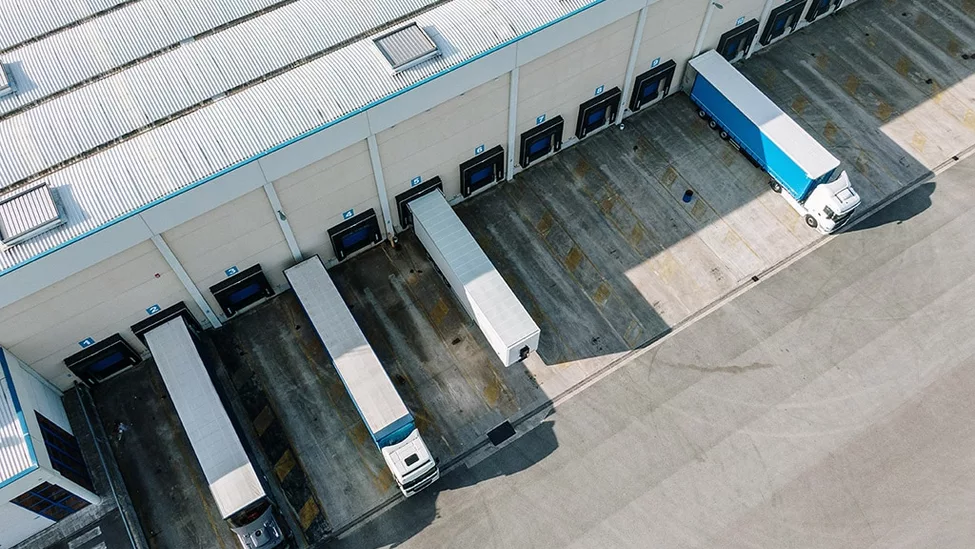
4 Ways Domestic Freight Brokers Can Avoid Unexpected Liability Claims
Transportation Business Resources
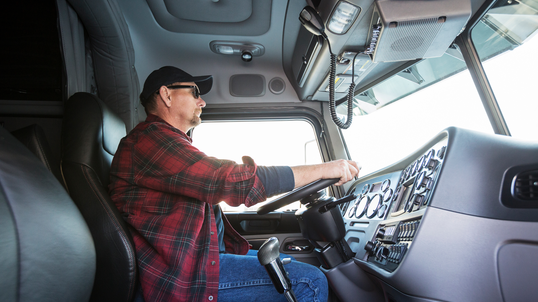
Managing Your Risks When Hiring Subhaulers
Transportation Business Resources
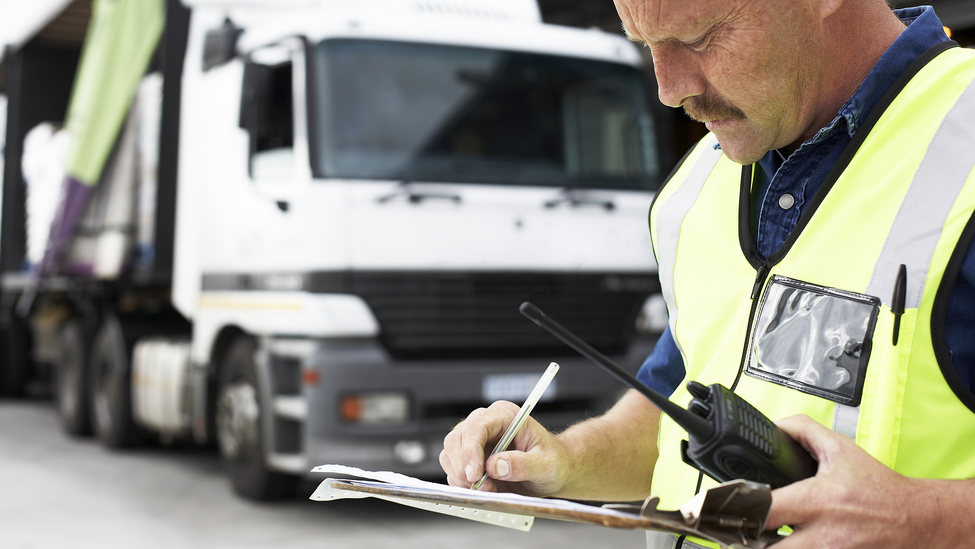
Cargo and Identity Theft: Early Reporting Can Help Minimize Loss
More Transportation Resources
Supply Chain Risk Management Resources
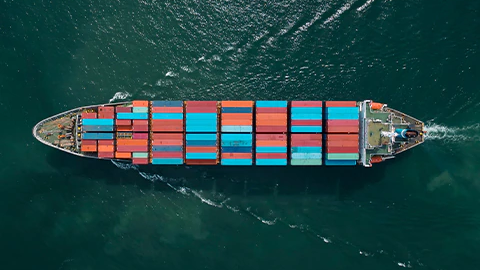
Life of a Piece of Cargo
There’s a lot that can happen to cargo on its journey. Protecting yourself from these cargo-related risks is key to protecting your supply chain.
Supply Chain Risk Management Resources
Supply Chain Management Tips
Your business may be held liable for every step in your supply chain. Get tips on effective supply chain management with this infographic from Travelers.
Supply Chain Risk Management Resources
The Evolution of the Freight Broker Model Brings New Risks
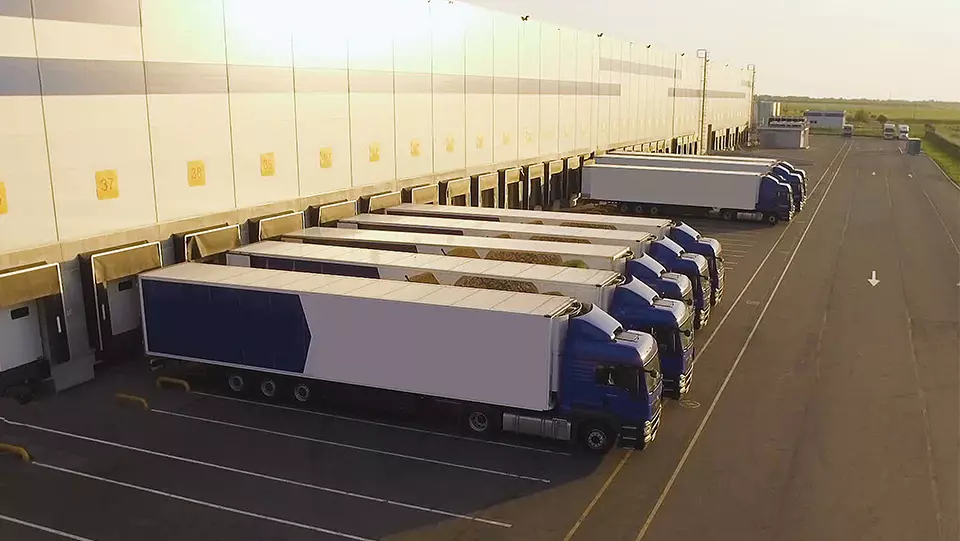
A new business model in the freight broker industry brings new risks as well as opportunities.
Driver & Fleet Safety
Vehicle Telematics Program Guidelines
Having a discussion with drivers can help vehicle telematics become accepted in your business.

Supply Chain Risk Management Resources
4 Ways Freight Brokers Can Help Prevent Cargo Theft
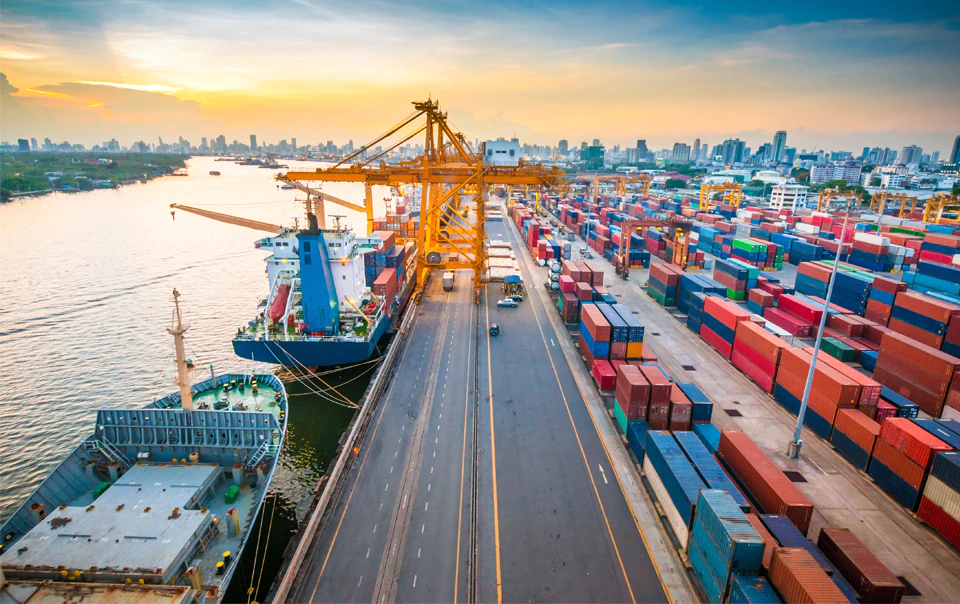
Here are some ways that freight brokers can help prevent cargo theft, including contractual risk transfer, properly vetting carriers and recognizing potential cargo theft schemes.
Supply Chain Risk Management Resources
5 Cargo Theft Tactics and How to Help Prevent Them
Cargo theft comes in many forms, from fictitious pickups to misdirected loads. Learn cargo theft types and tips for cargo theft prevention.

Driver & Fleet Safety
8 Elements of a Fleet Safety Program
A formal fleet safety program can help maximize fleet efficiency, enhance safety and more.

Supply Chain Risk Management Resources
Protecting Your Cargo in Transit
Taking steps to protect cargo can help prevent business interruptions. Learn about inspecting, securing and receiving cargo.

Related products & services
Transportation insurance
From vehicles to cargo, Travelers can help you find the right transportation coverage for today’s unique risks. A leader in insuring commercial vehicles, we provide a broad range of affordable commercial insurance coverages to help auto and trucking customers protect their business.
Special Investigations Group
Our Special Investigations Group is dedicated to theft protection and recovery, guiding clients through the adoption of procedures that harden their operations against criminal activity and assisting law enforcement on the recovery of stolen goods.